
 Booksology
 PERHAPS the most enduring argument for the existence of God has been the requirement for all that is made to have a Maker. But then that bright child in a Year 4 assembly will sooner or later ask the visiting Vicar “Who made God?” Responding with “Ah, but not being made is what makes God God” probably won’t cut it, but it does resonate with a recent focus on God as “no thing” (so Rupert Shortt, God is No Thing, Hurst, 2016).
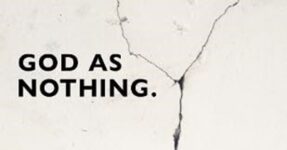
Gilbert Markus, formerly a Dominican Friar, but now an ecclesiastical historian, here reflects further on the logical imperative that “if God created everything that exists God cannot be one of the things that exists.”
Many theists will have said with some exasperation that the God whom the new atheists don’t believe in we don’t believe in either. Markus argues that what theists and atheists actually disagree about is “whether it is meaningful to ask why the world exists, rather than nothing existing at all. They disagree about the meaningfulness of looking at the world, at everything that is, and seeing it as a mystery.”
His key point is that if God is believed to be an existing being, to worship such an existing being is idolatry — and it is idolatry rather than atheism that the Bible tends to condemn as the opposite of faith. This is the theological thread that he traces through religious texts from pre-biblical Akkadian myths, via the biblical canon, and on through the classics of Christian theology, eventually encompassing the poetry of R. S. Thomas and Paul Celan.
Furthermore, he concludes with two dozen examples of how the nothingness of God affects an eclectic mix of topics, including prayer, penitence, God-talk, the imago Dei, and even the philosophy of Jacques Derrida.
Precisely because we cannot logically, or theologically, refer to God as a being who exists in any sense akin to what it means to say that you, I, this, or that exists, we can be open to the mystery to which faith entices us — and accede to the American country singer Iris DeMent’s injunction to “Let the Mystery Be”.
Markus has an engaging way with words and a playful approach to how language works towards God as Nothing, even when God as an existing individual in the same sense as you or I are existing individuals seems to be what biblical texts are referencing — his exegesis of many of these texts is itself very creative. This is analytical theology at its most accessible, even if we do have to conclude that Shortt’s God as “no thing” avoids the logical and theological pitfalls of describing God as nothing.
The Rt Revd Dr John Saxbee is a former Bishop of Lincoln.
God as Nothing Gilbert Markus DLT £16.99(978-1-917362-04-7)Church Times Bookshop £15.29


